Larch Creek Birds
What the birds (and frogs) are saying at a creek in western Washington

Bird
Red-breasted Nuthatch
Sitta canadensis
Nuthatches (Sittidae)
Year-round resident. Expected at the creek in every month.
- Field marks
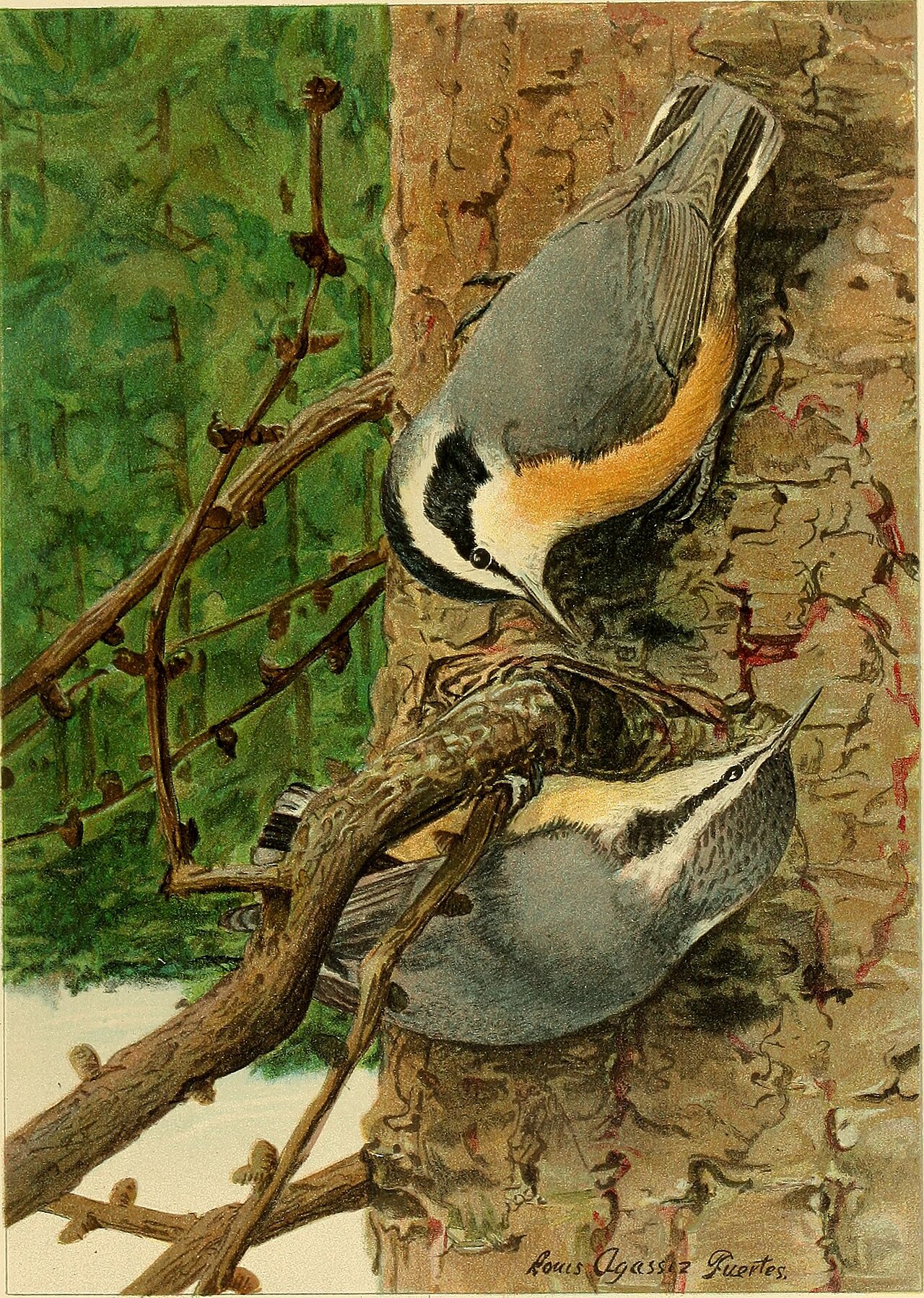
- A small nuthatch with a blue-grey back, rusty underparts and a bold black eye stripe under a white eyebrow; walks head-first down trunks as if gravity were a rumour.
- Male & female
- The male has a black cap and brighter rust below; the female's cap is grey and her underparts paler.
- Voice
- A nasal, tin-horn 'yank-yank-yank', often in a slow series: the voice of a conifer forest, and of a very small clown car.
- Diet
- Insects and spiders from bark in summer; conifer seeds in winter, wedged into bark and hammered open.
- Habitat
- Conifer forest; the resident nuthatch of the Pacific Northwest.
- Nesting
- Excavates its own cavity in a soft snag and smears sticky pitch around the entrance to deter intruders, then flies straight in without touching the sides; 5–6 eggs.
- Size
- 4½ in long, about a third of an ounce: a AAA battery with a built-in horn.
The second most-heard voice at the creek; a pair stays on its territory all year.
Season how expected it is here, week by week
At the creek 109 calls on 4 days, first Oct 28, last Oct 31
Recordings
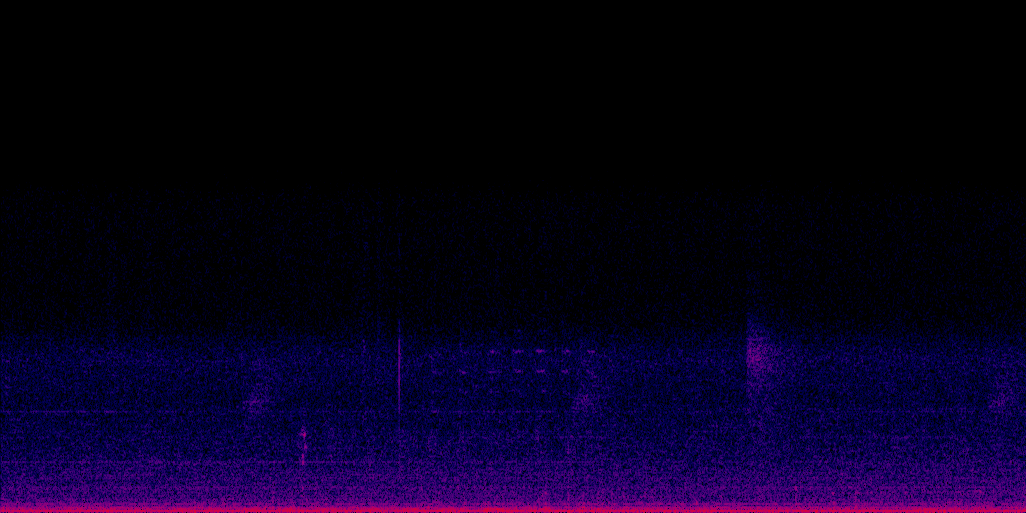
Clearest recording · Oct 31 9:36 am · 100% sure
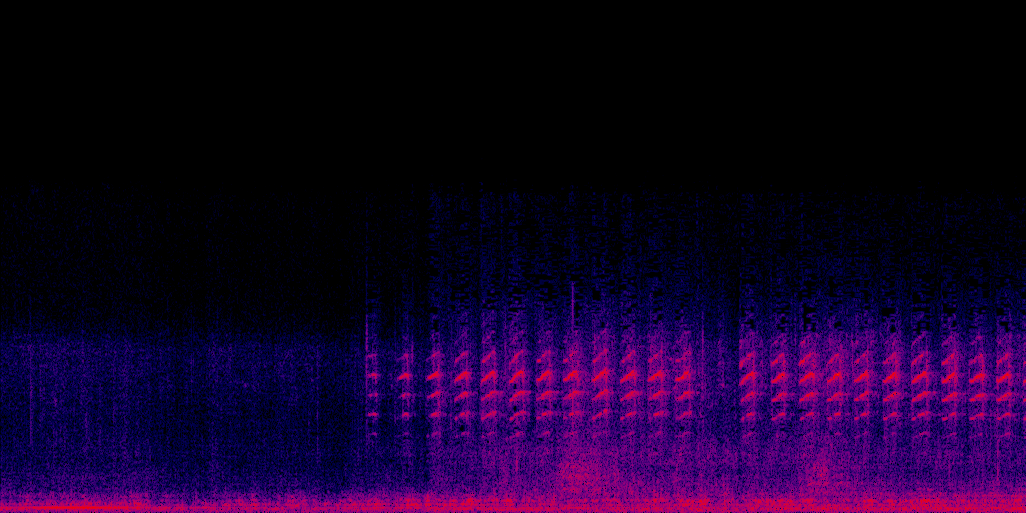
Recent · Oct 31 5:22 pm · 92% sure
Recent · Oct 31 3:55 pm · 88% sure
Recent · Oct 31 1:35 pm · 88% sure
From the encyclopedia
The red-breasted nuthatch is a small songbird. The adult has blue-grey upperparts with cinnamon underparts, a white throat and face with a black stripe through the eyes, a straight grey bill and a black crown. Its call, which has been likened to a tin trumpet, is high-pitched and nasal. It breeds in coniferous forests across Canada, Alaska and the northeastern and western United States. Though often a permanent resident, it regularly irrupts further south if its food supply fails. There are records of vagrants occurring as far south as the Gulf Coast and northern Mexico. It forages on the trunks and large branches of trees, often descending head first, sometimes catching insects in flight. It eats mainly insects and seeds, especially from conifers. It excavates its nest in dead wood, often close to the ground, smearing the entrance with pitch.
From Wikipedia, "Red-breasted nuthatch", CC BY-SA 4.0.