Larch Creek Birds
What the birds (and frogs) are saying at a creek in western Washington
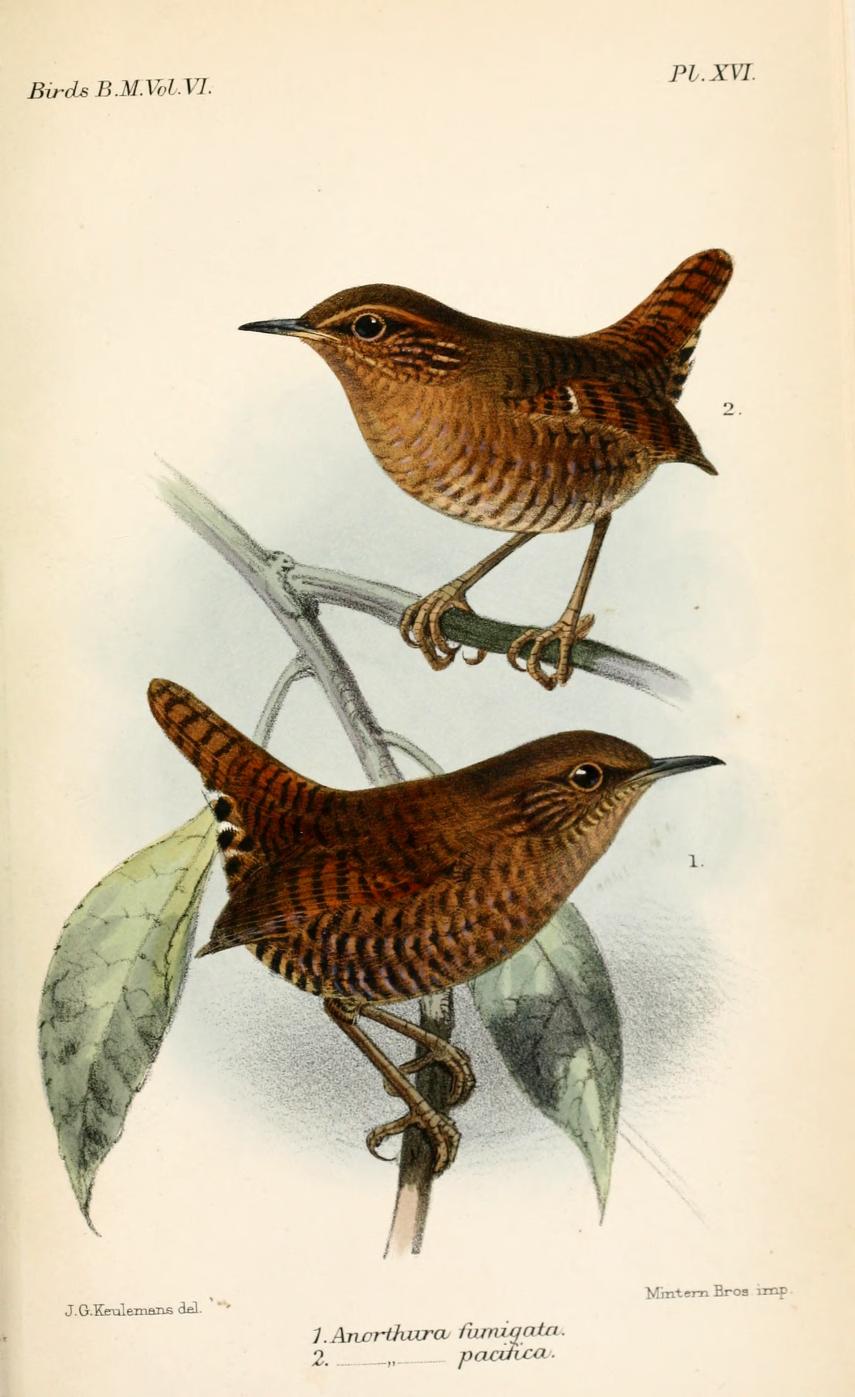

Bird
Pacific Wren
Troglodytes pacificus
Wrens (Troglodytidae)
Year-round resident. Expected at the creek in every month.
- Field marks
- A tiny, dark chocolate-brown wren with a stub tail cocked straight up, barred flanks and a faint eyebrow; creeps like a mouse through root tangles and is usually heard long before it is seen, if it is seen.
- Male & female
- Alike.
- Voice
- An astonishingly long, fast, tinkling song, eight to ten seconds of trills and runs from a bird that weighs less than two nickels; per ounce, probably the most song in North America. The call is a hard 'chimp-chimp'.
- Diet
- Insects and spiders from logs, roots and moss.
- Habitat
- Dark, wet conifer forest with fallen logs and dense understory: the Northwest's signature forest wren.
- Nesting
- A domed moss ball hidden in roots, a stump or a bank. The male builds several and the female picks one, which is a system; 5–7 eggs.
- Size
- 3–4¾ in long, about a third of an ounce: two nickels, and it sings for ten seconds straight on them.
Split from the Winter Wren in 2010 when the two turned out not to understand each other's songs. Resident at the creek; the singing gets going in earnest in February.
Season how expected it is here, week by week
At the creek 32 calls on 4 days, first Oct 28, last Oct 31
Recordings
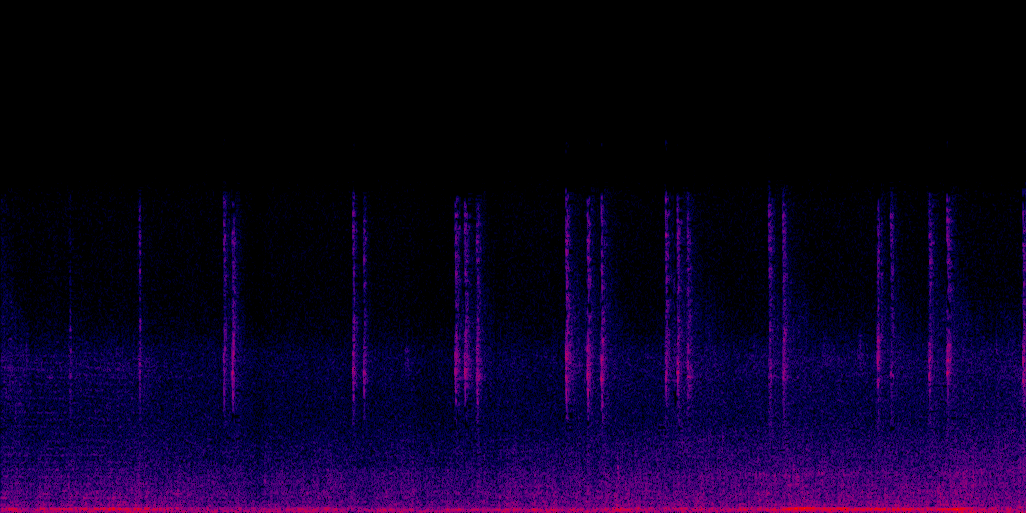
Clearest recording · Oct 31 4:43 pm · 99% sure
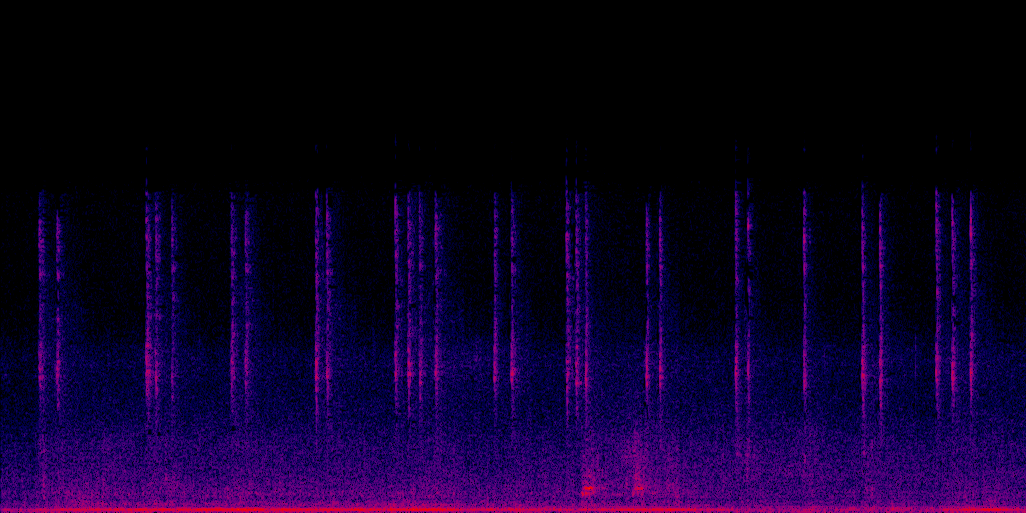
Recent · Oct 31 6:00 pm · 93% sure
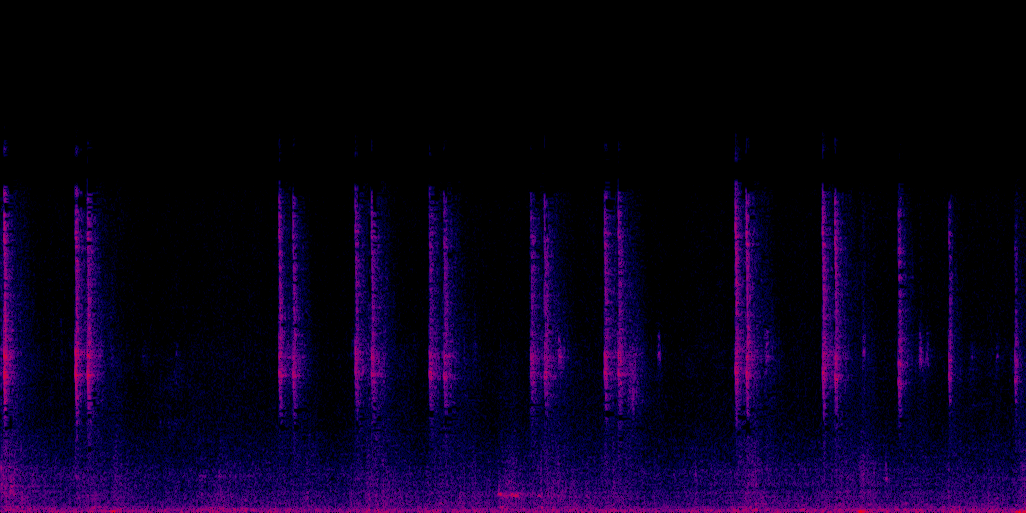
Recent · Oct 31 5:59 pm · 90% sure
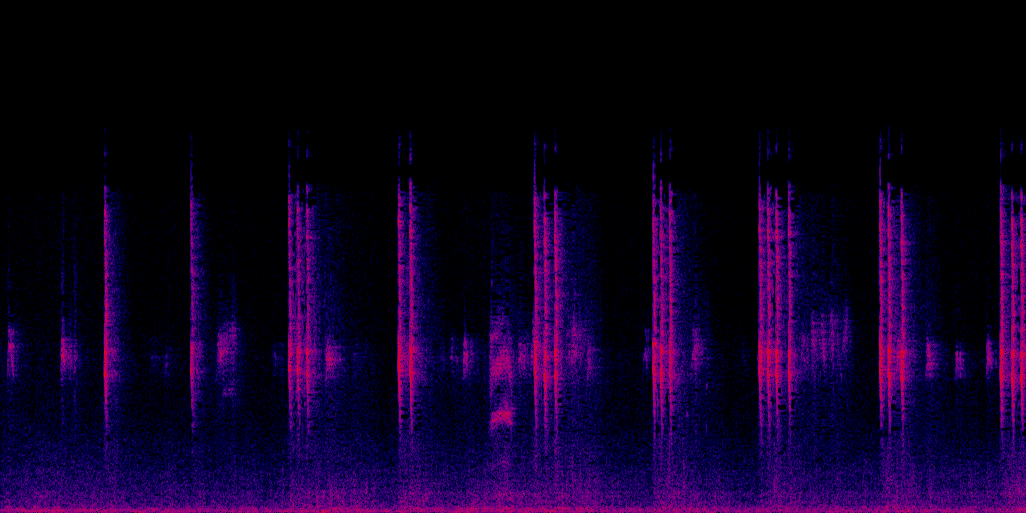
Recent · Oct 31 4:43 pm · 97% sure
From the encyclopedia
The Pacific wren is a very small North American bird and a member of the mainly New World wren family Troglodytidae. The species was formerly lumped together with either the winter wren of eastern North America alone, or also with the Eurasian wren of Eurasia, then under the merged name of northern wren with the scientific name troglodytes having priority. Furthermore, although these three species were previously classified in the genus Troglodytes, they have been moved to the genus Nannus.
From Wikipedia, "Pacific wren", CC BY-SA 4.0.