Larch Creek Birds
What the birds (and frogs) are saying at a creek in western Washington
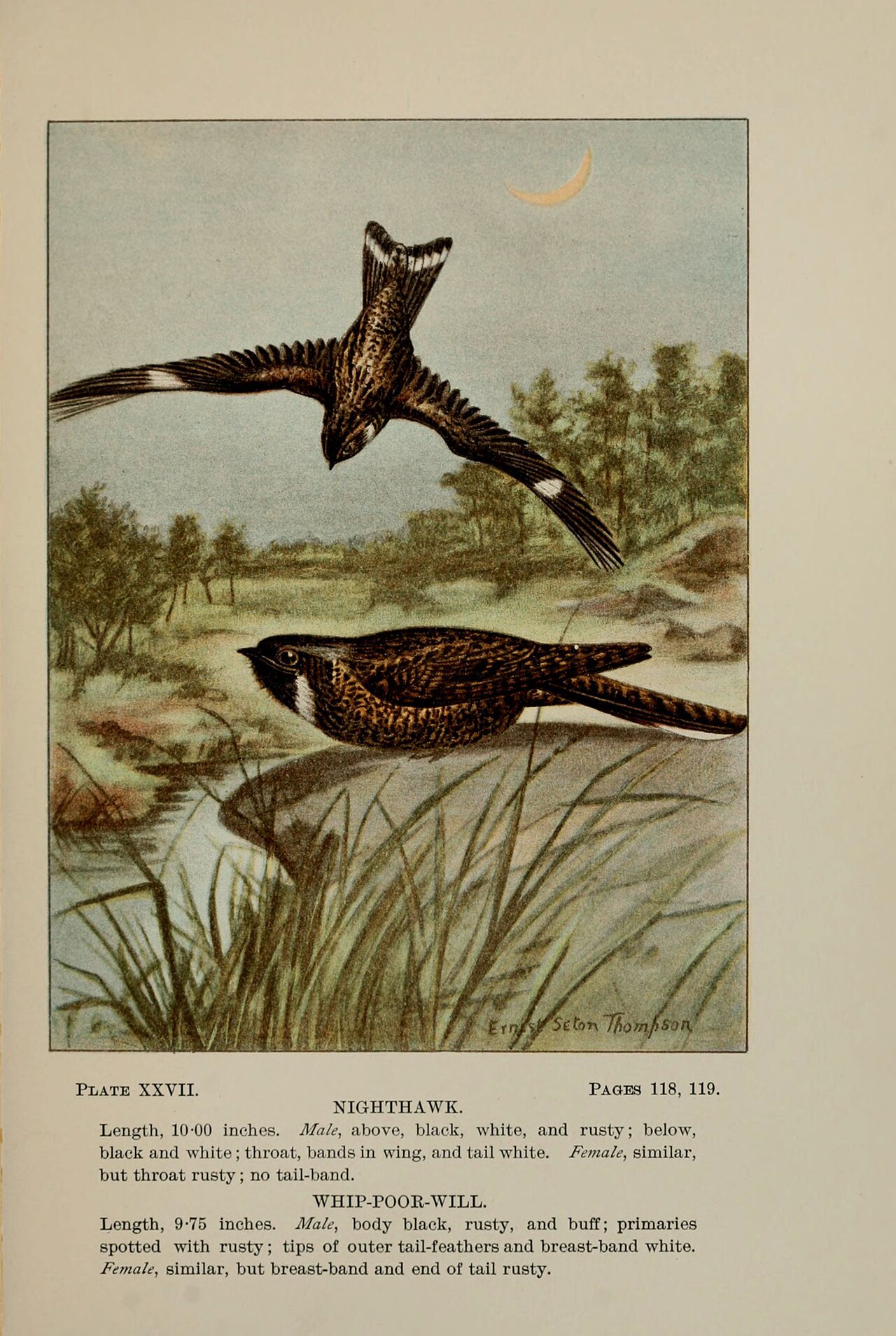

Bird
Common Nighthawk
Chordeiles minor
Nightjars and Allies (Caprimulgidae)
Unexpected now
Summer visitor. Expected here roughly May to Sep.
- Field marks
- A long-winged, moth-like bird of the dusk, mottled grey-brown with a white bar across each pointed wing. Hunts in a buoyant, erratic flight, like a bat that has been given a larger budget.
- Male & female
- The male has a white throat and a white tail band; the female's throat is buff and she lacks the band.
- Voice
- A nasal 'peent' in flight, and the male's booming 'vroom', made by air rushing over the wings as he pulls out of a dive.
- Diet
- Flying insects caught on the wing at dusk and dawn, from beetles to flying ants, hoovered into a mouth that opens far wider than seems reasonable.
- Habitat
- Open country, clearcuts, gravel bars and flat roofs; breeds here, winters in South America.
- Nesting
- No nest at all: two eggs laid on gravel, bare soil or a rooftop, which the parents regard as perfectly adequate.
- Size
- 9–10 in long with a 2-ft wingspan, yet only 2–3½ oz: the wingspan of a large pizza box on the body weight of a hamster.
Nighthawks leave Washington by mid-September for Brazil and Argentina, so an October detection is almost certainly something else making a 'peent'-shaped noise.
Season how expected it is here, week by week
At the creek 20 calls on 2 days, first Oct 29, last Oct 31
Recordings
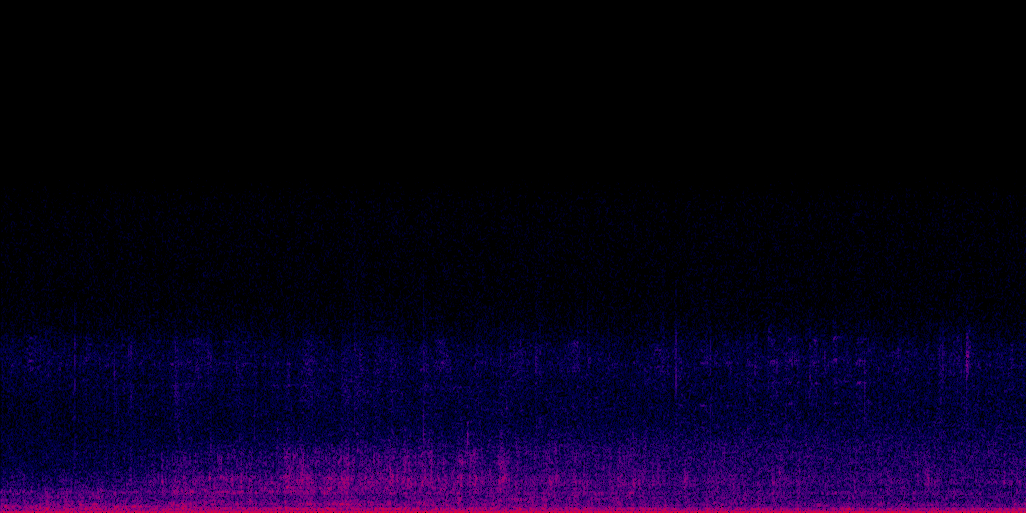
Clearest recording · Oct 31 5:28 pm · 100% sure
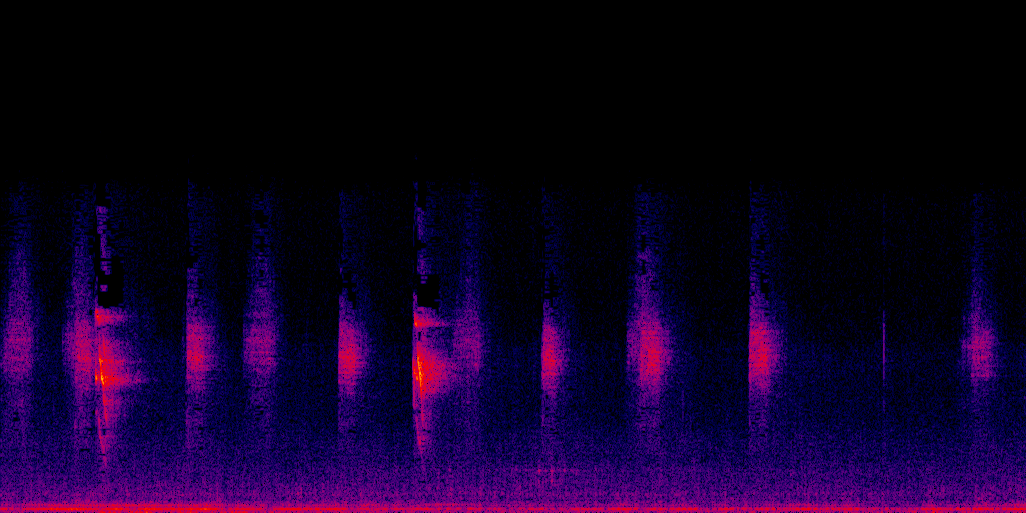
Recent · Oct 31 5:29 pm · 99% sure
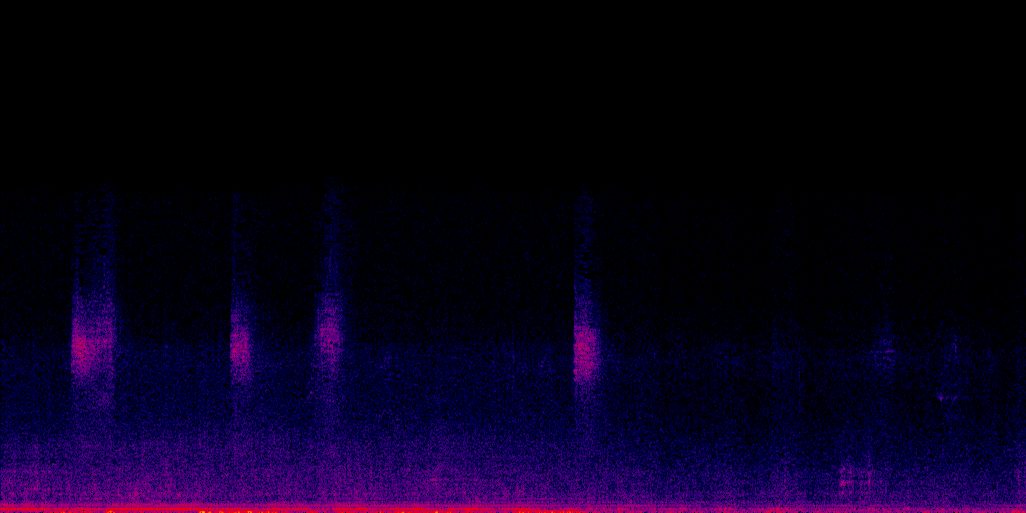
Recent · Oct 31 2:09 pm · 91% sure
Recent · Oct 31 10:30 am · 89% sure
From the encyclopedia
The common nighthawk or bullbat is a medium-sized crepuscular or nocturnal bird of the Americas within the nightjar (Caprimulgidae) family, whose presence and identity are best revealed by its vocalization. Typically dark, displaying cryptic colouration and intricate patterns, this bird is difficult to spot with the naked eye during the day. This bird is most conspicuous when in its buoyant and erratic flight. The most remarkable feature of this aerial insectivore is its small beak that belies the massiveness of its mouth. Some claim appearance similarities to owls. With its horizontal stance and short legs, the common nighthawk does not travel frequently on the ground, instead preferring to perch horizontally, parallel to branches, on posts, on the ground or on a roof. The males of this species may roost together but the bird is primarily solitary. The common nighthawk shows variability in territory size.
From Wikipedia, "Common nighthawk", CC BY-SA 4.0.